Friday, June 27, 2025

Camping Sites in Sri Lanka

 Gongala Mountain


Gongala Mountain is located in the Sabaragamuwa Province of Sri Lanka. It is a popular destination for campers, hikers, and nature lovers, with the surrounding environment offering beautiful, attractive viewpoints. There are a variety of flora and fauna, and other endemic trees are visible around this environment. The name Gongala is derived from the fact that Gongala Mountain is shaped like a bull.

Madulsima Area


The Madulsima Area is located in the Uva province within the Badulla District. It’s known for its mountainous terrain and is a popular destination for camping and hiking. This area has two campaign sites. Those are Mini World's End and Cave of Madulsima. When you visit those places, you can experience a very lovely, comfortable camping experience.


Kohobagala Mountain


Kohobagala is situated in the Gampaha district near Mirigama town. It is a favorite mountain area for camping and hiking. It takes 03 hours to reach Colombo. Kohobagala is about 2,300 meters high. So it is easy to consider it the easiest climbing and camping place.


Idalgashinna campsite


Idalgashinna is a scenic village in the Haputale–Namunukula mountain range. The campsite site offers sweeping views of misty peaks, tea estates, valleys, and distant landmarks like Bambarakanda Falls and the southern coast. This area is highly favored by locals and adventurous travelers. Generally use the train to reach this site.


Tuesday, June 24, 2025

Best Beverages in Sri Lanka

 Ceylon Tea


Ceylon Tea is a very popular tea all over the world. It has a specific brand. Ceylon tea is considered a strong natural drink. Ceylon tea grows in special weather conditions. That weather condition and other natural environmental factors affect the quality of this tea. Especially this tea plant planting in the Uva, Kandy, Galle, and Nuwara Eliya areas. Also, Ceylon tea leaves picking, processing, packing, and every industrial step are maintained with good quality and standards according to government and international methods. Also regularly continue R&D for this tea sector. There are specific qualities you can see (physical tea leaf shape, color, and taste) in those tea plants. There are so many types of tea processing in the tea factory. (Ceylon Black Tea, Ceylon Green Tea, BOPF, Silver Tips). When you visit Sri Lanka, you should experience this tea picking and visit a tea factory.


King Coconut


The king coconut's local name is “Thambili.” It is a bright orange-colored variety of coconut. This coconut variety is unique to Sri Lanka. It is considered highly nutritious, sweet, fresh water. Especially this king coconut water preservation for some dangerous patients (cancer) as a treat. As well as this drink being considered an energy drink, it helps to maintain good condition for kidney and urinary health. This king coconut plant is growing in the Puttalama and Kurunegala areas. When you visit Sri Lanka, you can taste this natural energy drink very easily.


Ayurvedic Herbal Drink


A Sri Lankan Ayurveda herbal drink is a traditional, natural beverage made from plant roots, tree parts, flowers, and spices. Ceylon’s (Sri Lanka’s) ancient hospital and treatment system was built on this Ayurvedic medicine. These drinks are an important part of Sri Lankan culture. They are often used on the human body for their healing and cooling properties. Iramusu drink, Ranawana Tea, Belimal water, and Polpala water are considered popular Ayurvedic herbal drinks. Some Western medicines can’t treat it clearly; use these Ayurvedic herbs. If you visit Sri Lanka, don’t forget to drink this Ayurvedic drink.


Ginger Beer

Ginger beer is a good nutritional drink. It has a strong spicy taste. It is specific to Ceylon Ginger Beer. This drink is made with natural ginger and a carbonated drink. Its colors are dark brown and white. This drink helps with digestion and reduces nausea. Especially Sri Lankans use it as a soft drink and sometimes use it in cooking or baking for added zing.


Thursday, June 19, 2025

Healthy Sweets

 Aasmi


Aasmi is a traditional Sri Lankan sweet delicacy, often served during special occasions such as Sinhala and Tamil New Year, weddings, or special occasions. It is known for its crunchy texture and unique flavor, which comes from a blend of rice flour and coconut milk with cinnamon or cardamom. That sweet taste is very soft.


Helapa


Helapa is a beloved part of traditional Sri Lankan village cuisine. It is nutritious, natural, and often enjoyed as a healthy snack or breakfast item. The use of kurakkan makes it rich in fiber and iron, which is especially valued in rural diets. This helapa is made by mixing Kurrakan powder and treacle. It steamed with Kanda leaves. Which gives it a distinct flavor.


Aluwa


This is a traditional Sri Lankan dessert. Generally it is used during tea time. It is made with toasted rice flour, sugar syrup, ground cashew nuts, cardamom, and cashews. The mixture is spread into pans and is then sliced, usually into diamond-shaped pieces. Aluwa is a staple dessert served on Avurudu—the Sinhalese New Year celebrated in April.


Athirasa


Athirasa is a traditional Sri Lankan sweet treat. This sweet is specially used during Sinhala and Tamil New Year, weddings, and other cultural celebrations. It’s a deep-fried, sweet rice cake made with rice flour and jaggery, offering a rich, chewy texture with a caramel flavor. This sweet is offering older Ceylon people's food style.


Bibikkan


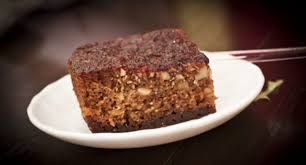
Bibikkan is a rich, spiced coconut cake that is a beloved traditional Sri Lankan dessert. This food item is especially enjoyed during Christmas, New Year, and special occasions. It is made with grated coconut, kithul jaggery, spices, cashews, butter, and vanilla. Unlike light Western cakes, bibikkan is hearty, rustic, and very filling, often enjoyed in small portions with tea.


Kokis


Kokis is another Sri Lankan traditional food item. Its batter is made with coconut milk, eggs, and rice flour. The batter is coated around decorative molds and deep-fried in coconut oil until it develops a crispy texture. Sometimes spices mix with this batter. Kokis can be consumed as an appetizer, snack, or dessert, and it is a compulsory food item around Sinhala and Tamil New Year celebrations.


Monday, June 9, 2025

Ella to Kandy Magical Train Ride


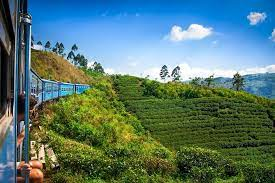
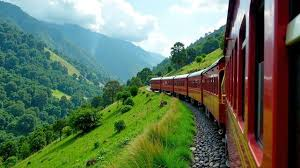
I experienced a magical train journey on this Kandy to Ella train ride. This is one of the most well-known travel destinations for both domestic and foreign travelers. Actually, this journey feels like a way to paradise. Because of the green, colorful natural environment, waterfalls, and misty mountains. The train chugs along narrow, winding tracks, climbing higher into the cloud-kissed mountains. The pace is gentle, allowing you to lean out of open doors and breathe in the cool, fresh air. Locals wave from villages tucked among the hills. The train crosses small bridges, snakes around tight bends, and dips into dark tunnels, adding a thrill of adventure. When included in a dark tunnel, your body feels very fresh.


Sometimes you feel a different environmental zone between the tunnel starting point and the end point. Actually, this exclusive experience is only enjoyed on this Kandy-Ella train journey. This train journey from Kandy to Ella typically takes between 6 and 7 hours. However, this train journey offers a leisurely pace, allowing passengers to fully appreciate the surrounding beauty and embrace the charm of slow travel.


Train Ticket Prices.

3rd Class   (Non-Reserved)    Rs300

2nd Class   (Non-Reserved)    Rs600


3rd Class   (Reserved)            Rs1,200

2nd Class  (Reserved)            Rs1,700

Air Conditioned Saloon         Rs2,500


Most important things of the Kandy to Ella journey.

1. The doorways are the real hotspot.

During travel on a train door, you can see very attractive sights around you. It helps to capture immortal photos of your album. Every time, you should pay attention to your and others' safety and freedom. 


2. Book express train ticket

If you can book an express train ticket, you can save your time and enjoy your ride without any delay. 


3. The side you sit on makes all the difference.

If you are heading to Hillside, aim for a seat on the left side of the train. That’s where you’ll catch the best views, from waterfalls , tea estates, and much more.


4. Pack some snacks and use safety methods.

When you travel this journey, collect your own Trust-branded food items (biscuits and drink bottles). Also use masks, sanitizer, and soaps for preventing germs and viruses.


Saturday, June 7, 2025

Best Places to Visit Tricomalee


Trincomalee is a port city located on the northeastern coast of Sri Lanka. It is known for its natural deep-water harbor, beautiful beaches, cultural heritage, and strategic importance. Trincomalee has a rich history dating back to ancient times, referenced in both Tamil and Sinhalese chronicles. Trincomalee is peaceful and is now reviving as a tourist and cultural hub. This area's coastal and marine biodiversity is rich, especially around coral reefs and lagoons. In this area, ecotourism is becoming a growing industry in the region. Trincomalee is the best travel destination situated on Ceylon Island.


Koneswaram Temple


Koneswaram Temple, also known as Thirukoneswaram, is a renowned Hindu temple located in Trincomalee on the northeastern coast of Sri Lanka. It is one of the most sacred and historically significant temples in the country, dedicated to Lord Shiva. It is a major pilgrimage site, especially during Maha Shivaratri, attracting devotees from across Sri Lanka and South India. This Hindu temple has over 2000 years of history. Koneswaram Temple is a very blessed place. Fishers are worshiping it using their boats, riding 3 rounds before starting their fishing jobs at sea. This Kovil has very colorful arts.


Fort Frederick


Fort Frederick is an old Portuguese fort in Trincomalee. It is currently operated by the Sri Lankan Army but is open to visitors. The fort provides panoramic views of Trincomalee's harbor and surrounding landscapes and is an attractive spot. The fort's grounds also house a few historical buildings. The fort's name is Frederick, and it is the construction commander's name. The architecture of Fort Frederick reflects the influences of its various colonial occupants, blending elements of Portuguese, Dutch, and British design.


Kanniya Hot Springs


Kanniya Hot Springs is a group of natural thermal springs located near Trincomalee, in the Eastern Province of Sri Lanka. They are one of the country’s most popular and historically significant geothermal attractions. This site consists of seven square-shaped wells, each about 3-4 feet deep. The water in each well is warm but varies slightly in temperature. This spring water is clean and odorless, unlike some other sulfur-rich hot springs.


Nilaveli Beach


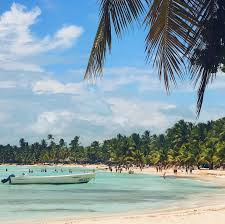
Nilaveli Beach is one of the most beautiful and serene beaches in Sri Lanka. It has fresh white sand, clear blue waters, and a peaceful atmosphere, making it a favorite destination for every tourist. Surrounded by coconut palms and lush greenery, Nilaveli offers a free environment far from the crowds found at more commercialized beaches. Nilaveli Beach is a calm seaside. Nearby Pigeon Island National Park, just a short boat ride away, is the best place for snorkeling and diving. It's home for turtles and colorful fish.


Diamond Hill


Diamond Hill is located in Wellaimanal, Trincomalee town area. It is Small Mountain, about 46 meters high. This Diamond Hill is relatively gentle, making it accessible to most visitors. The trail is unpaved, featuring natural terrain with rock and vegetation. When you climb this mountaintop, you can see beautiful sights around Trincomalee, including Trincomalee Bay and the Prima Flour Factory.


Bird Sanctuaries in Sri Lanka


Sri Lanka, known for its rich biodiversity, is a highly sensitive environment zone. Due to those reasons, Sri Lanka is home to several bird sanctuaries that are vital for the conservation of both resident and migratory birds. Sri Lanka is a birdwatcher’s paradise; there are over 390 recorded bird species, including around 30 endemic species. Sri Lanka's island situation globally helps with these recorded bird varieties. 


Kalametiya Bird Sanctuary


Kalamatiya is the oldest bird sanctuary in Sri Lanka. It was declared as a sanctuary in 1938. It is situated in the Hambantota district, Southern Province. It is 22km from Tangalle. It is considered a dry zone category bird sanctuary. It covers 2500 acres. The land is a rich wetland made up of salty lagoons and mangrove swamps, providing shelter for a vast array of both endemic and migratory bird species. The migratory species visit Kalametiya between November and March. There are 150 bird species that can be sighted in this bird sanctuary. Along the way, you have a chance to spot a number of nationally threatened varieties, such as the Indian reef heron, glossy ibis, and Sri Lankan jungle fowl.


Kumana Bird Sanctuary


Kumana Bird Sanctuary is another beautiful bird paradise. It is situated 408 km from Colombo on the southeastern coast of Sri Lanka. The entrance to the park is at Panama through the Kudumbigala sanctuary and is accessible via Beragala and Koslanda or through the Udawalawe – Tanamalvilla route. This bird sanctuary was established in 1969. It is part of the Kumana National Park and is one of the most important nesting and breeding grounds for birds in Sri Lanka. The Kumana Bird Sanctuary is known to have recorded 255 species of birds. This park has a large 200-hectare “Kumana Villu” and plenty of tanks and lagoons scattered around the park where thousands of birds nest and breed. There are thousands of birds that migrate to the swamp every year between the months of April and July.


Anawilundawa Wetland Sanctuary 


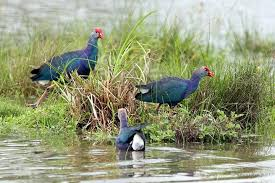
Anawilundawa Wetland Sanctuary is a protected Ramsar Wetland of International Importance located in the Puttalam District of Sri Lanka, approximately 90km north of Colombo. It is about 1350 hectares. Anawilundawa is renowned for its rich biodiversity and unique convergence of ecosystems, making it a prime destination for birdwatchers and nature enthusiasts. These areas act as crucial buffers against coastal erosion and provide habitats for various aquatic and bird species. There are a lot of resident and migratory birds to see in this wetland sanctuary area. Those are Grey Heron, Purple Heron, Stork-Billed Kingfisher, Purple Swamphen, and Northern Pintail. Every October to April is ideal for observing migratory species.


Friday, June 6, 2025

Natural Ceylon Spices.


Ceylon natural spices are renowned for their high quality, rich aroma, and unique flavors, making them a staple in cooking and traditional medicine. These spices originate from Sri Lanka (Ceylon Natural Spices), where the lush, tropical environment contributes to their distinct characteristics. For example, Ceylon cinnamon is known for its anti-inflammatory and blood sugar-regulating effects. Ceylon natural spices are often grown using traditional methods without harmful chemicals, making them a healthier choice for consumers seeking natural products. The cultivation and trade of Ceylon spices are deeply rooted in Sri Lanka’s history, reflecting its rich cultural heritage and historical trade connections. Some of the most popular Ceylon spices are described here.


1. Ceylon Cinnamon: 


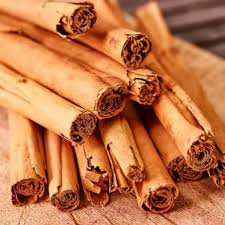
Known as "true cinnamon," Ceylon cinnamon is prized for its delicate, sweet, and woody aroma. It is softer and has thin, multiple layers, unlike the tougher Cassia cinnamon. There are more value-added products produced using cinnamon. There are cinnamon oil, sticks, and drinks.


2. Ceylon Vanilla:

Ceylon vanilla grows well at 1000 m above sea level, under mild temperatures and 2000-2500 mm of rainfall, and thrives under shade away from direct sunlight. Considered to be a delicate crop that requires a labor-intensive process to grow and pollinate. Natural vanilla is available in four main preparations, namely whole pods, powder or ground pods, vanilla extracts, and vanilla sugar. It is widely used in the food and beverage and personal care industries.


3. Ceylon Pepper:


Ceylon pepper, also known as “true pepper,” is a variety of black pepper native to Sri Lanka. It is highly prized for its superior quality, aromatic flavor, and mild pungency compared to other pepper varieties. This pepper has a very delicate, fruity, and complex aroma with a mild heat, making it a preferred choice for those seeking a softer, nuanced pepper flavor. Its fresh and slightly citrusy aroma elevates the flavor profile of dishes. There are two types of Ceylon pepper: “Black” & “White.”


4. Ceylon Cloves:


Ceylon cloves have superior quality, a rich aroma, and a distinct flavor profile that sets them apart from cloves produced in other countries. Ceylon cloves are generally dark brown in color. They have a nail-like shape, with a rounded head and a long, slender stem. The texture is slightly rough with a shiny surface. Generally used for cooking. Adds flavor to baked goods, beverages like chai tea and mulled wine, and savory dishes like biryanis and stews.


5. Ceylon Cardamom: 


Ceylon cardamom, also known as Sri Lankan cardamom, is a premium variety of cardamom renowned for its superior quality, unique flavor, and rich aroma. Grown in the lush, tropical highlands of Sri Lanka, Ceylon cardamom is considered one of the finest types of cardamom in the world. Ceylon cardamom pods are small, oval-shaped, and usually green in color. The pods have a smooth, slightly smooth surface. Inside, the pods contain small seeds that are dark brown to black. Used in desserts like rice pudding, cakes, cookies, and ice cream.


6. Ceylon Turmeric:


Ceylon turmeric, also known as Sri Lankan turmeric, is a premium variety of turmeric (Curcuma longa) that is highly valued for its vibrant color, rich flavor, and exceptional medicinal properties. Ceylon turmeric is a key ingredient in Sri Lankan cuisine and traditional medicine, making it one of the most sought-after turmeric varieties in the global market. Ceylon turmeric has a fresh taste, making it ideal for both culinary and medicinal purposes.


These spices are sun-dried, carefully processed, and packed to preserve their freshness and potency. Most of these processing steps are humanized processes. This spice helps to build a strong human immune system.


Thursday, June 5, 2025

Sinharaja Forest Reserve


Sinharaja Forest Reserve is a biodiversity hotspot, a highly sensitive hotspot, and one of the most important natural treasures in Sri Lanka. Recognized both nationally and internationally, it was considered a UNESCO World Heritage site in 1988. Sinharaja Forest Reserve is considered a rain forest. It's a rich and unique ecosystem. Sinharaja Situated in the Sabaragamuwa and Southern provinces. Its area is about 21,000 acres. Sinharaja rain forest has high humidity and rainfall throughout the year.


Sinharaja is home to a high percentage of Sri Lanka’s endemic birds, including the Sri Lanka Blue Magpie, Red-faced Malkoha, and Green-billed Coucal. This bird's variety is sighted in the Sinharaja Rainforest. There are a variety of other bird species that can be observed, such as the orange-billed babbler, ashy-headed laughing thrush, and various species of pigeons and thrushes.


In addition, leopards, purple-faced langurs, and giant squirrels are observed in Sinharaja Forest. As well as many species of snakes, frogs, and lizards are available in this Sinharaja Rainy Forest. Many varieties of endemic butterflies, beetles, and other insects can be seen inside the Sinharaja Rainforest. There are Over 60% of the tree covers are endemic, and many are considered rare. There are endemic Badura spices and flowers that live in Sinharaja Forest.


There are very endemic fish species that can be found in Sinharaja Reserve’s water sources. Among those fish, Black Ruby Barb, Cherry Barb, and Red-tailed Goby are very endemic. These water sources are very fresh; they refresh your face and body.


When you visit, you will feel it is like a small Amazon forest. Because every type of plant, bird, insect, fish, and rare mammal can be seen inside the Sinharaja Rain Forest.


How to visit Sinharaja Rain Forest.

1.      Neluwa            - Lankagama Road

2.      The Kalawana - Weddagala road

3.      Deniyaya         - Pallegama road

4.      The Rakwana  - Morningside estate road.


Tuesday, June 3, 2025

How to Visit Jaffna

Jaffna, the cultural capital of Sri Lanka’s Northern Province, is rich in history, Tamil heritage, Hindu traditions, and colonial architecture. Here are some of the most interactive and fascinating places to visit in and around Jaffna. It has a deep-rooted Tamil identity and has been a major center for Tamil literature, Hindu scholarship, and Dravidian architecture. Jaffna is a resilient city with a profound cultural identity, shaped by centuries of history and conflict. Furthermore, Jaffna has its own traditional food style. Jaffna is a very attractive tourist place to visit.


Dutch Fort


Dutch Fort is one of the most historical landmarks in northern Sri Lanka. Located in the center of Jaffna city. Its other name is Jaffna Fort. Dutch Fort was built in the Portuguese era in 1618. But from time to time it was handled by separate nations (Portuguese Era, Dutch Era, British Era). This fort-building shape is very special. Because it is built following a star shape. Special materials are used to construct this building, such as limestone and coral. This building complex includes the governor’s residence, the Dutch Reformed Church, and the army barracks. You can walk along the walls, explore ruins, and see restoration in progress.


Kadurugoda Viharaya


Kandarodai Temple, situated in the small village of Kandarodai, is near Chunnakam in the Jaffna Peninsula. This temple is an ancient Buddhist temple. It is one of the most important remnants of early Buddhism in the predominantly Tamil and Hindu region of Jaffna. This temple belongs to the Anuradhapura era, from the 3rd century BCE to the 10th century CE. This temple is considered a rare and significant symbol of Buddhist heritage in northern Sri Lanka. In this temple complex, around 20 small stupas are visible at present. Kadurugoda Viharaya stands as a testament to the religious diversity that once flourished in the Jaffna Peninsula.


Delft Island


Delft Island, locally known as Neduntheevu, is a remote and historically rich island situated in the Palk Strait, approximately 35km west of Jaffna. Delft Island spans about 50 km² and is characterized by its flat terrain, coral walls, and semi-arid tropical vegetation, including palmyra palms and dry shrubs. This island is renowned for its population of wild ponies. There is a special construction tower in there that was considered a small lighthouse; it is called the Queen’s Tower. It was built by the British. When you visit this Delft Island, you can see beautiful natural sights.


Nallur  Kandaswamy Kovil


One of the most devout religious places among local and international Hindu populations. Presently, not only Hindu nations but every religious people visit this kovil. Nallur Kovil is situated 1.5km from Jaffna town center, accessible via Point Pedro Road, in the Nallur area.  


Featured Post

Wood carving - Embekke Dewalaya

                                                    Wood carving is another ancient & beautiful traditional art in Sri Lanka.  It refle...