Tuesday, June 3, 2025

How to Visit Jaffna

Jaffna, the cultural capital of Sri Lanka’s Northern Province, is rich in history, Tamil heritage, Hindu traditions, and colonial architecture. Here are some of the most interactive and fascinating places to visit in and around Jaffna. It has a deep-rooted Tamil identity and has been a major center for Tamil literature, Hindu scholarship, and Dravidian architecture. Jaffna is a resilient city with a profound cultural identity, shaped by centuries of history and conflict. Furthermore, Jaffna has its own traditional food style. Jaffna is a very attractive tourist place to visit.


Dutch Fort


Dutch Fort is one of the most historical landmarks in northern Sri Lanka. Located in the center of Jaffna city. Its other name is Jaffna Fort. Dutch Fort was built in the Portuguese era in 1618. But from time to time it was handled by separate nations (Portuguese Era, Dutch Era, British Era). This fort-building shape is very special. Because it is built following a star shape. Special materials are used to construct this building, such as limestone and coral. This building complex includes the governor’s residence, the Dutch Reformed Church, and the army barracks. You can walk along the walls, explore ruins, and see restoration in progress.


Kadurugoda Viharaya


Kandarodai Temple, situated in the small village of Kandarodai, is near Chunnakam in the Jaffna Peninsula. This temple is an ancient Buddhist temple. It is one of the most important remnants of early Buddhism in the predominantly Tamil and Hindu region of Jaffna. This temple belongs to the Anuradhapura era, from the 3rd century BCE to the 10th century CE. This temple is considered a rare and significant symbol of Buddhist heritage in northern Sri Lanka. In this temple complex, around 20 small stupas are visible at present. Kadurugoda Viharaya stands as a testament to the religious diversity that once flourished in the Jaffna Peninsula.


Delft Island


Delft Island, locally known as Neduntheevu, is a remote and historically rich island situated in the Palk Strait, approximately 35km west of Jaffna. Delft Island spans about 50 km² and is characterized by its flat terrain, coral walls, and semi-arid tropical vegetation, including palmyra palms and dry shrubs. This island is renowned for its population of wild ponies. There is a special construction tower in there that was considered a small lighthouse; it is called the Queen’s Tower. It was built by the British. When you visit this Delft Island, you can see beautiful natural sights.


Nallur  Kandaswamy Kovil


One of the most devout religious places among local and international Hindu populations. Presently, not only Hindu nations but every religious people visit this kovil. Nallur Kovil is situated 1.5km from Jaffna town center, accessible via Point Pedro Road, in the Nallur area.  


Thursday, May 29, 2025

Traditional Foods style in Sri Lanka


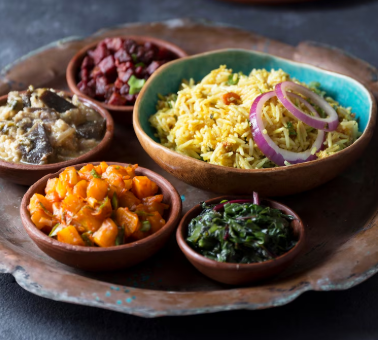
Sri Lanka has a very rich and historical food tradition, which has been shaped by many cultural and historical factors. It has its own distinctive taste. This traditional Sri Lankan food's relationship with South Indian, Arabic, and Chinese food styles. Sri Lanka is traditionally well known for its use of a vast array of herbs, spices, vegetables, rice, and fruits. As it is a tropical island with an abundance of vegetation, these foods are highly centered on many varieties of rice and coconut.

Ancient Sri Lankan cooking is a style. Its relation with rural villagers. These culinary traditions highlight the cultural significance of this staple.


Rice and Curry


If you say Sri Lankan food, at that time, you're feeling Sri Lankan rice & curry. A typical Sri Lankan meal consists of steamed rice served with a variety of curries. The curries can be vegetarian or include meat, fish, or seafood. Each curry is prepared with a lot of veggies and a blend of spices, such as cinnamon, cardamom, cloves, curry leaves, and chili.


Hoppers (Appa)


Sri Lankan hoppers are bowl-shaped pancakes made from a fermented rice flour batter. Crispy around the edges and soft in the center, hoppers are often enjoyed with savory accompaniments like dhal (lentil curry) or coconut sambal, offering a perfect contrast of textures and flavors. Most of the time hoppers consider it a light meal.


Kottu

Kottu roti is considered a street food item in Sri Lanka. If you take a stroll down a busy street in the heart of Colombo or any other part of the country, you’ll be greeted with the sound of street vendors using metal blades to make Kottu Roti from a fair distance away, followed by the smell of the different spices. When cooking kottu roti, you can listen to very famous beat songs in Sri Lanka. Cookers cook it following those beat sounds.


Kiri Bath - Milk Rice


During Sinhala New Year & other opening ceremony times, use this milk rice as a special part of the food table. It feels prosperous & fresh to all participants. Fresh coconut milk and rice are used to cook this food item. Little milk rice pieces and onion/dry fish sambal mixing earn a very good taste.


Fish Ambul Thiyal


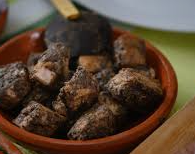
Usually something large or medium-sized, such as tuna, is cut into cubes, then spices including black pepper, cinnamon, turmeric, garlic, curry leaves, and dried goraka added to these fish cubes. Ambul thiyal is a dry curry dish, meaning all the ingredients are simmered with a small amount of water and cooked until the liquid reduces. This allows the spice mixture to coat each cube of fish.

Wednesday, May 28, 2025

Most Popular coral reefs in South Asia


Benefits of Coral Reefs.

Biodiversity Hotspots - Coral reefs support about 25% of all marine species, despite covering less than 1% of the ocean floor.


Coastal Protection - Reefs act as natural barriers, reducing wave energy and helping prevent coastal erosion, flooding, and storm damage.


Carbon & Nutrient Cycling - They play a role in the carbon cycle and help recycle nutrients, keeping the ocean ecosystem healthy.


Tourism & Recreation - Coral reefs attract divers, snorkelers, and tourists, contributing billions of dollars annually to local economies.

Fisheries - Millions of people depend on reef-related fisheries for food and income.


Most Popular Coral Reefs in Sri Lanka.

Jungle Reef

Only a few kilometers down the road, between Unawatuna and Galle, you’ll find Jungle Beach Bay. The bay is an insider tip, with a beautiful beach and very shallow entry points. 


Unawatuna Reef
The Unawatuna Bay is not only a world-famous beach on land but also offers a great underwater experience. With its many shallow spots, it is also the perfect place for snorkeling. A small shipwreck, along with some rocks and corals, offers a fun experience to snorkelers.


Pasikuda Reef.
Another very popular coral reef among tourists. Dive into the vibrant underwater world, encountering diverse coral formations and a plethora of fish species in their natural habitat. 8.00am - 11.30am is the best time for diving.


Mirissa Beach.
While known for whale watching, Mirissa also boasts a diverse coral reef system and clear waters; also, it is a great spot for snorkeling.


Kalpitiya Bay.
This peninsula on the northwest side coast is becoming increasingly popular for snorkeling and dolphin watching.


Tuesday, May 27, 2025

Ceylon Gems


Gems are naturally occurring precious or semi-precious stones that are typically cut, polished, and used in jewelry and ornamentation. They are prized for their beauty, rarity, durability, and value. There are lot of gem types wide in all around world. Compared with other countries' gems, Sri Lankan gems have special natural reasons.


1. Exceptional Quality and Color

  • Ceylon (Sri Lankan) gems are known for their vivid, clean, and vibrant colors.

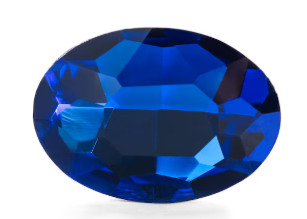
  • For example, Ceylon sapphires have a bright, cornflower or royal blue that is highly sought after


2. Home of the Padparadscha Sapphire

  • One of the rarest and most valuable sapphires in the world.

  • A pink-orange gem, unique to Sri Lanka’s geology.


3. Ethical and Sustainable Mining

  • Sri Lanka is known for its eco-friendly, artisanal mining practices.

  • Most mines are small-scale and manual, reducing environmental impact.

  • Strong regulations help protect miners and ecosystems.


Type of Gems.

1. Ruby 


Considered to be the most valuable gemstone variety in the corundum mineral species, the distinct red in ruby is caused by the presence of chromium. The color spectrum of rubies found across the world varies from orange-red to purplish red. Color is the most significant factor affecting a ruby’s value: fine gems are a pure, vibrant red to slightly purplish red.  Most Sri Lankan ruby varieties are of a pinkish red and display a tint of purple, caused by the presence of iron in addition to chromium oxide, which is unique to their Sri Lankan origin.  Better quality has often been found within the Embilipitiya – Udawalawe area.


2. Sapphire


Sri Lanka is the top source of the finest Ceylon sapphires for the global market and exports Ceylon blue sapphires, star sapphires, and a range of fancy sapphires to the global gem markets.  In addition to their ornamental purposes, sapphires are also used in purely functional applications, such as infrared optical components, high-durability windows, wristwatch crystals and movement bearings, and very thin electronic wafers. 


3. Aquamarine


Found in green-blue to blue color variations, aquamarine crystals get the blue tone due to the presence of iron within the crystal. They are comparatively large and well-formed, and the depth of sea blue color is most intense in large specimens, while the color in smaller stones is comparatively lighter. Unlike other colored gemstones, aquamarine’s value comes primarily from its tone rather than the hue and saturation, and stones with darker tones are highly priced and sought after. This gem's most popular areas are Rathnapura, Rakwana, Galle, and Matara.


4. Topaz


A versatile species of gemstones, topazes are available in a variety of colors and colorless forms. Often identified by the hue name, such as pink or blue topaz, some of the most expensive and rare topaz have commercial names given to them. The high-value red and pink stones are known as Imperial Topaz, while the terms Precious Topaz or Sherry Topaz refer to stones with a rich yellow to a medium, peachy orange color.


5. Agate


A translucent variety of microcrystalline quartz, Agate is a semi-precious chalcedony occurring in a wide range of colors, including brown, white, red, grey, pink, black, and yellow. The colors are caused by traces of oxides of iron, manganese, titanium, chromium, nickel, and other elements and occur as alternating bands within the stone. Patterns of color or moss-like inclusions may distinguish this stone from other forms of chalcedony, and Sri Lanka is popular for blue-tinted agate.


Wednesday, May 21, 2025

Elephant Transit Home - Udawalawe


Udawalawe Elephant Transit Home is situated in Udawalawe National Park, Sri Lanka. Its other name is Ath Athuru Sewana. Udawalawe Elephant Transit Home (ETH) was established in 1995 by the Sri Lanka Department of Wildlife Conservation. Udawalawa-ETH's main objective is to rehabilitate orphaned calves for ultimate release back into the natural environment. Udawalawa National Park is 33,000 hectares. So elephants don't have a limited area and free to go wherever they want. That natural environment helps them to continue their lifestyle. Also, Udawalawa reservation helps to continue the elephant's daily routine without any human interruption. The rainy season creates a diverse environment for elder and baby elephants. This season they are enjoying it very happily. 


When you visit the Udawalawe Elephant Transit Home , there are normally between 60 - 80 orphaned elephants, and visitors can watch them being fed from the safety of a viewing platform about 8 meters away at one of the four daily feeding sessions.


There are special milk formulas for feeding baby elephants. This feeding period is a very interesting part, baby elephants running to drink milk. They are fulfilling their nutrition using this milk. Some special guardians of baby elephants use soy milk, rice broth, or jeevanee to increase baby elephants' immune systems. Baby elephant's milk feeding times are 10.30am , 02.30pm, and 06.00pm every day.  Watch Baby Elephant Feeding Time. 

Elephants are a very important part of our environment. Protecting wild elephants is vital for ecological , cultural , ethical, and economical reasons.


Friday, May 16, 2025

Alien Visit Places in Sri Lanka - Danigala Mountain


People also refer to Danigala Mountain as Danigala Circular Rock or Alien Mountain. It is a mysterious and scenic rock formation located in the Ampara District of the Eastern Province of Sri Lanka. This rock mountain has a distinct dome- or UFO-like shape. It is highest at about 400-450 meters. Danigala Mountain is situated in a forest area; due to that area's specific position, it helps to think about some mysterious alien activity in that area. When visit that mountain area it has mystery rock statue. Most of these statue build by Aliens or some mystery persons.


There is a Buddhist temple situated in this area. It is a very ancient temple. Around this area, more than 70 caves were found. Those caves were built for meditating Buddhist monks. This caves includes one referring to King Saddha Tissa and his son as well as names of various donors. He has also found inscriptions in a cave mentioning an ancient port in India, signifies communication between India and Sri Lanka or other countries. 


This Danigala mountain is very strange place situated in Sri Lanka. if interest for mystery places should visit this Place.


Featured Post

Wood carving - Embekke Dewalaya

                                                    Wood carving is another ancient & beautiful traditional art in Sri Lanka.  It refle...